While mass-market furniture has a lower upfront cost, it typically lasts only 3 to 5 years before needing replacement, making it significantly more expensive over a 10-year period. In contrast, solid hardwood furniture lasts 30 to 100+ years and can be refinished, delivering a far lower cost-per-year and superior long-term value. Ultimately, solid wood is a one-time investment that breaks the costly cycle of replacing disposable “fast furniture.”
When shopping for new home furnishings, it is easy to experience a moment of severe sticker shock. You stroll into a local showroom, admire a handcrafted oak dining table, turn over the price tag, and see $3,000. Just an hour earlier, an online pop-up ad offered a sleek, modern dining set for only $800. It raises an immediate question for any practical shopper:
Why does authentic Amish furniture cost so much more than flat-pack or veneer furniture? Is solid hardwood truly worth the higher investment, or are you simply paying for a name? To answer this, we need to look beyond the initial price tag and examine the true cost of furniture ownership, environmental health factors, and the mathematical reality of Cost per Year of Use.
Understanding the Price Tag: What Drives Up the Cost of Authentic Amish Furniture?
Mass-market furniture brands operate on speed, cheap materials, and planned obsolescence. They utilize particle board, medium-density fiberboard (MDF), and thin wood veneers held together with synthetic glues and plastic fasteners. They are manufactured by machines on automated assembly lines designed to last 3 to 5 years before sagging, peeling, or collapsing.
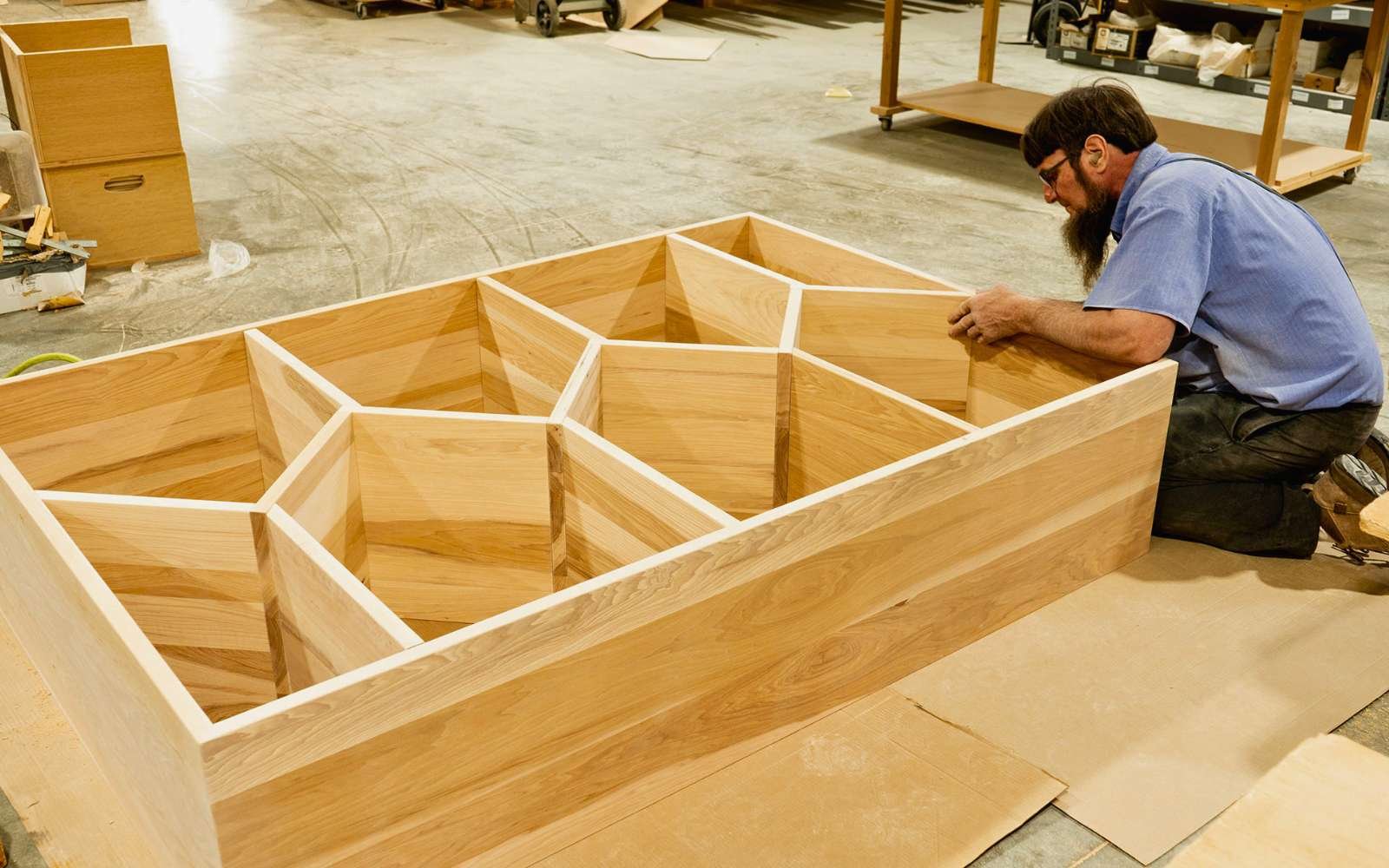
In stark contrast, authentic Amish furniture built for Miller’s Furniture is crafted with patience, precision, and centuries-old woodworking principles:
Sustainably Harvested Hardwoods:
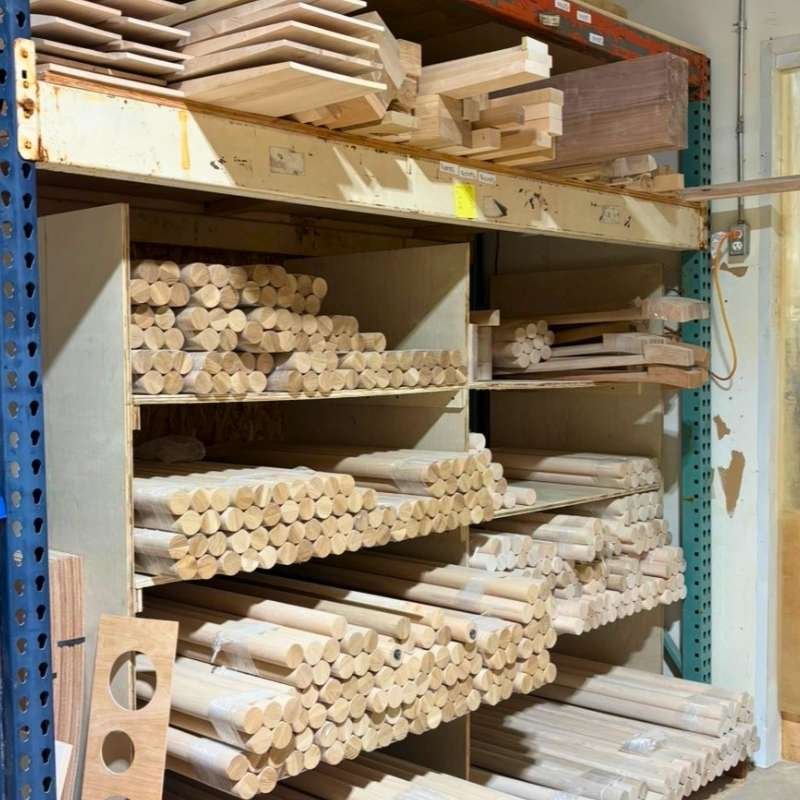
Crafted from 100% solid North American hardwoods such as Oak, Cherry, Maple, and Walnut—never hollow cores, composite boards, or printed paper finishes.
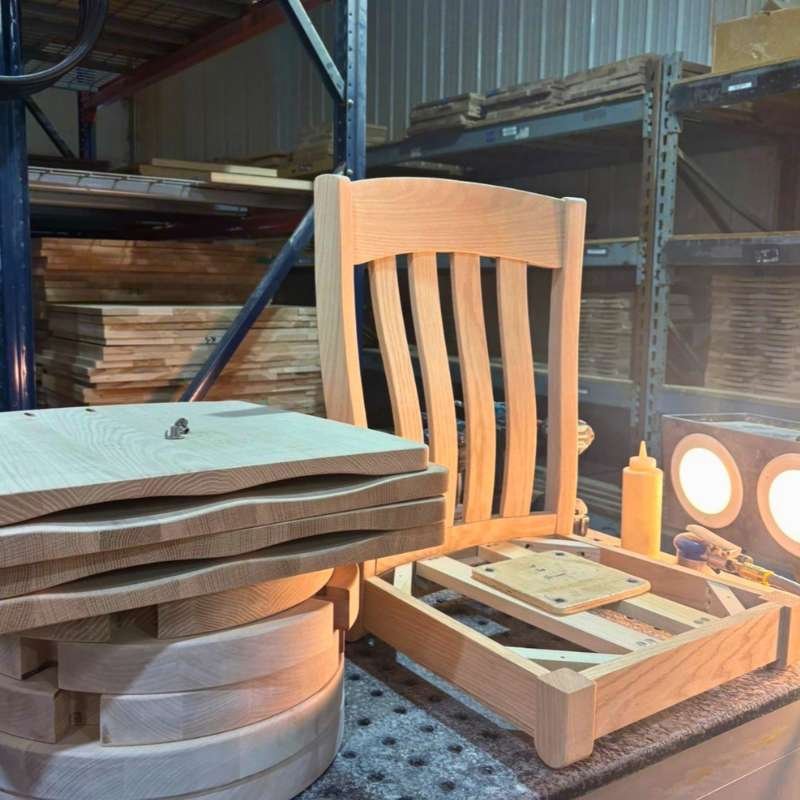
Time-Tested Joinery:
Built using traditional mortise-and-tenon joints and hand-fitted dovetails rather than cheap staples, nails, or cam locks.
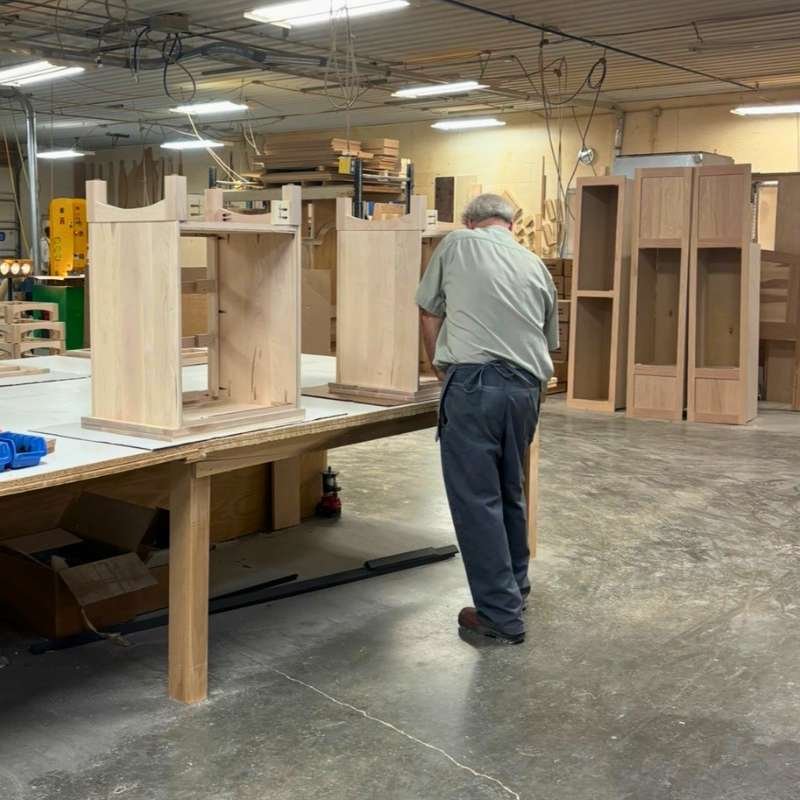
Master Craftsmanship:
Each piece is individually built, hand-sanded, and finished by skilled artisans who take pride in creating heirloom-quality pieces.
Solid Wood vs. Wood Veneer: How to Tell the Difference When Shopping
Not all “wood” furniture is created equal. Big-box retailers often use clever marketing terms like “real wood components” or “hardwood solids,” which can deceive buyers into purchasing low-grade composite materials topped with a paper-thin slice of timber.
Here is how to spot the difference when shopping for a high-quality solid wood dining table or bedroom set:
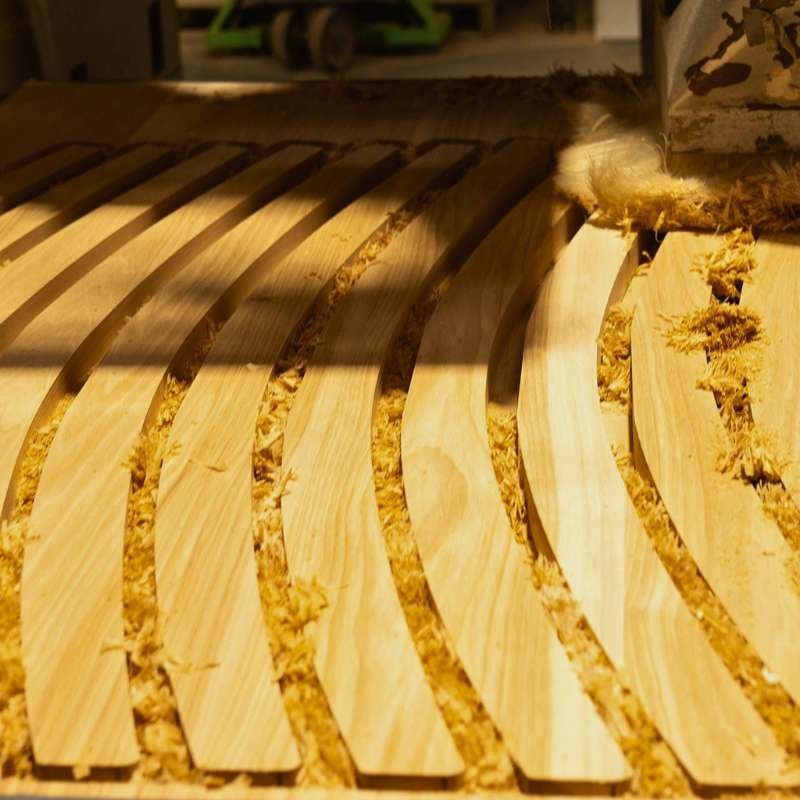
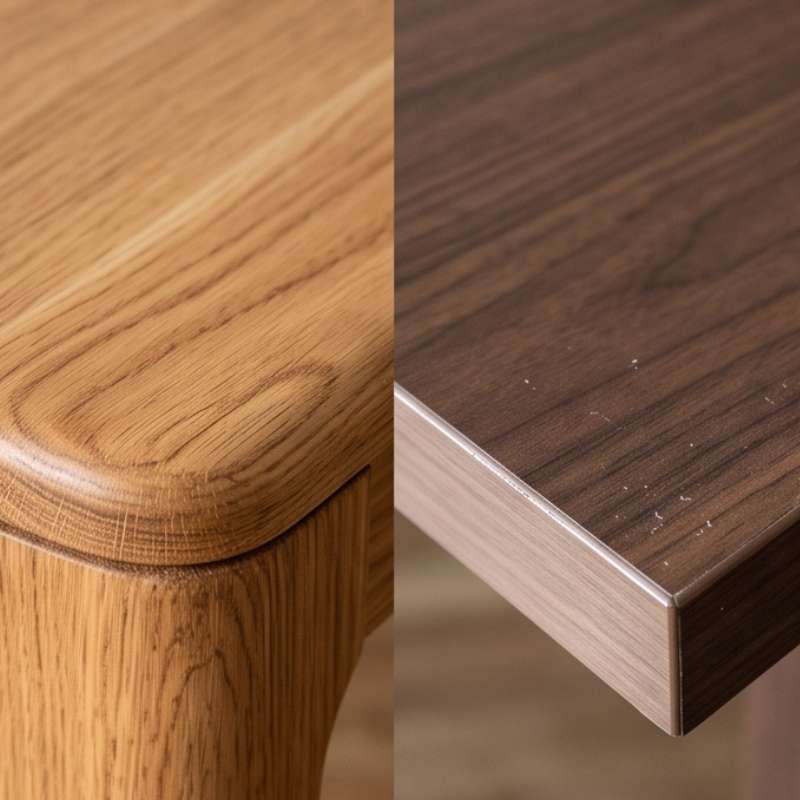
Examine the End Grain and Edges
On a solid wood table, the natural grain of the wood wraps continuously across the top and down around the edge. If the top features a rich wood pattern but the edge shows a perfectly uniform strip, plastic banding, or seam line, you are looking at a wood veneer applied over particle board.
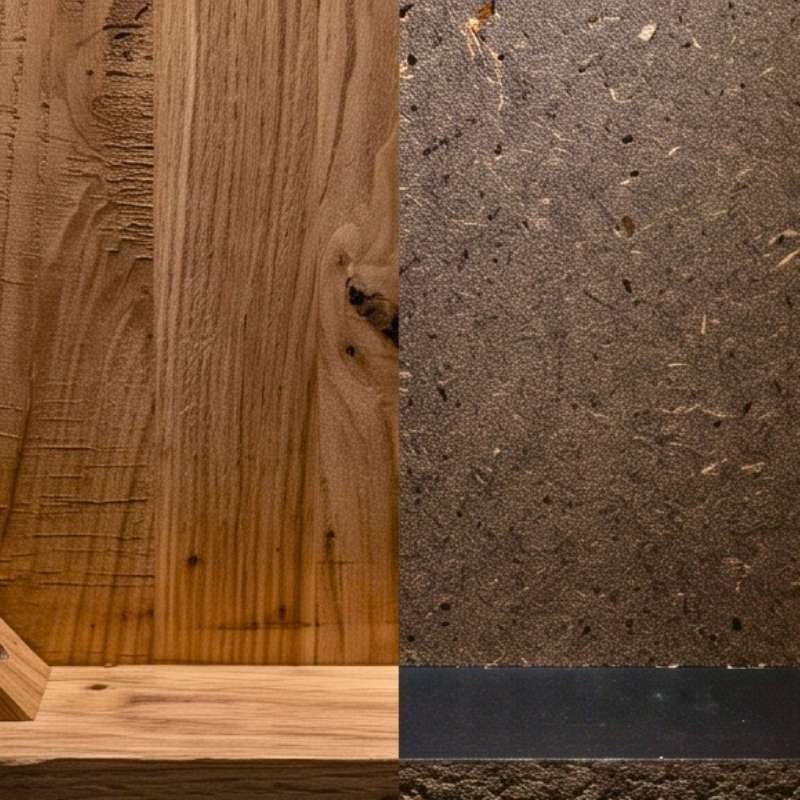
Inspect Underneath the Piece
Turn the table over or look beneath a drawer. Solid wood furniture displays raw, unpainted hardwood underneath that matches the top grain structure. Veneered particle board often reveals raw, rough composite chips, dark fiberboard, or cheap plywood on hidden undersides.
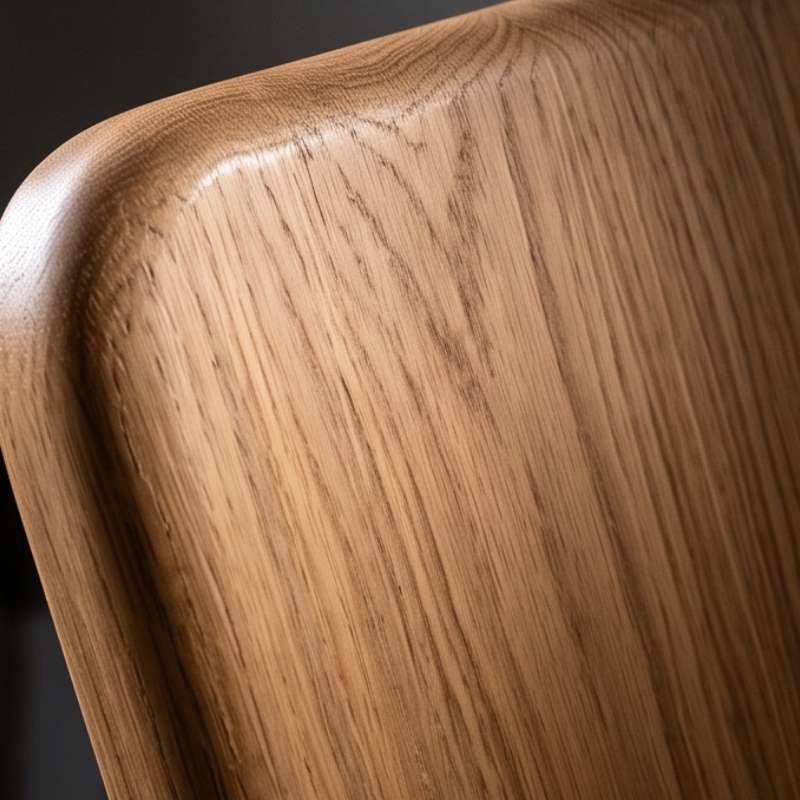
Feel the Weight and Density
Solid North American hardwood is naturally dense, sturdy, and heavy. If a large 6-person dining table feels lightweight or sways easily when pushed, it is likely constructed from hollow core materials or low-density particle board.
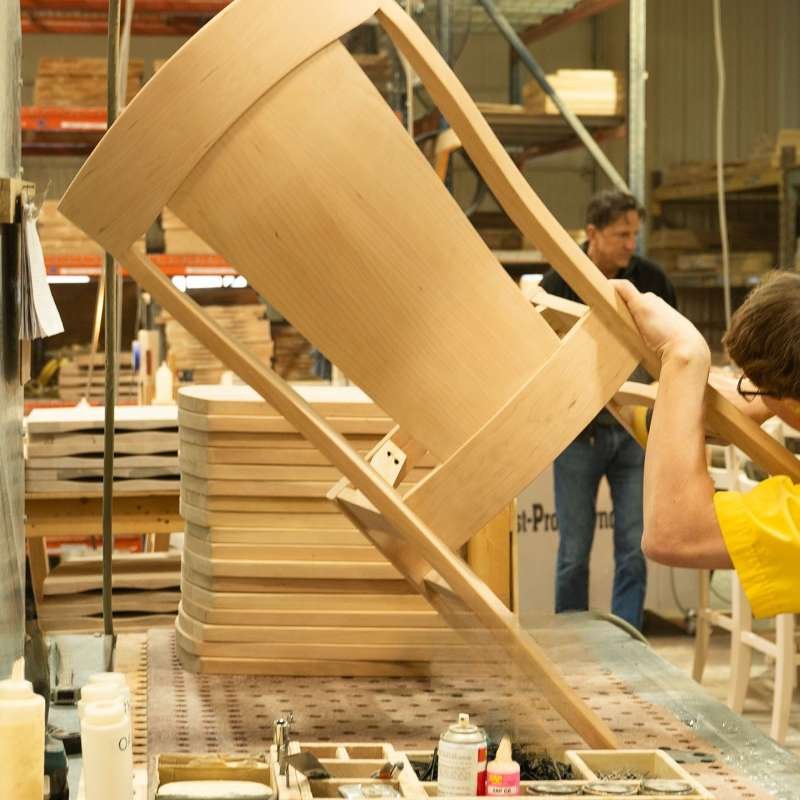
The Hidden Hazard: Is Particle Board Furniture Toxic?
Beyond durability and aesthetics, material choice directly impacts your indoor air quality. Many mass-market flat-pack items are made using particle board or Medium-Density Fiberboard (MDF), which rely heavily on synthetic resins and chemical glues.
Formaldehyde Off-Gassing and VOCs: Urea-formaldehyde adhesives are standard binding agents in cheap composite boards. Once assembled in your home, these materials emit volatile organic compounds (VOCs) into the air through a process known as off-gassing. Prolonged exposure to indoor VOCs can trigger headaches, respiratory irritation, eye fatigue, and allergies—particularly in children and pets.
Solid wood furniture crafted by Amish artisans uses solid lumber and low-VOC, high-durability finishes. By eliminating synthetic composite boards, you safeguard your family’s living environment from unnecessary chemical off-gassing.
The Lifetime Cost Analysis: Why $3,000 is Cheaper Than $4,000
When you buy cheap, mass-produced furniture, you enter a cycle of disposable consumption. Water spills warp the veneer, moves weaken cheap joints, and surface scratches cannot be sanded out. Over 30 years, you spend more money replacing throwaway tables while enduring frustration and waste.
“When you invest in solid wood, you buy it once. If asolid hardwood table gets scratched after ten years of family dinners, it doesn’t need to be replaced—it can easily be sanded, refinished, and passed down to the next generation.”
| Feature / Metric | Option A: Flat-Pack / Veneer Set | Option B: Miller’s Solid Wood Table |
| Initial Purchase Price | $800 | $3,000 |
| Average Lifespan | 3 to 5 Years | 100+ Years (Lifetime / Heirloom) |
| Replacements Needed (30 Yrs) | 5 replacements (5 x $800) | 0 replacements |
| Total 30-Year Out-of-Pocket | $4,000 (plus tax, shipping, assembly) | $3,000 (one-time investment) |
| Cost Per Year (30 Yrs) | $133.33 / year | $100.00 / year (and drops further) |
| Resale / Heirloom Value | $0 (Ends up in a landfill) | High antique & heirloom value |
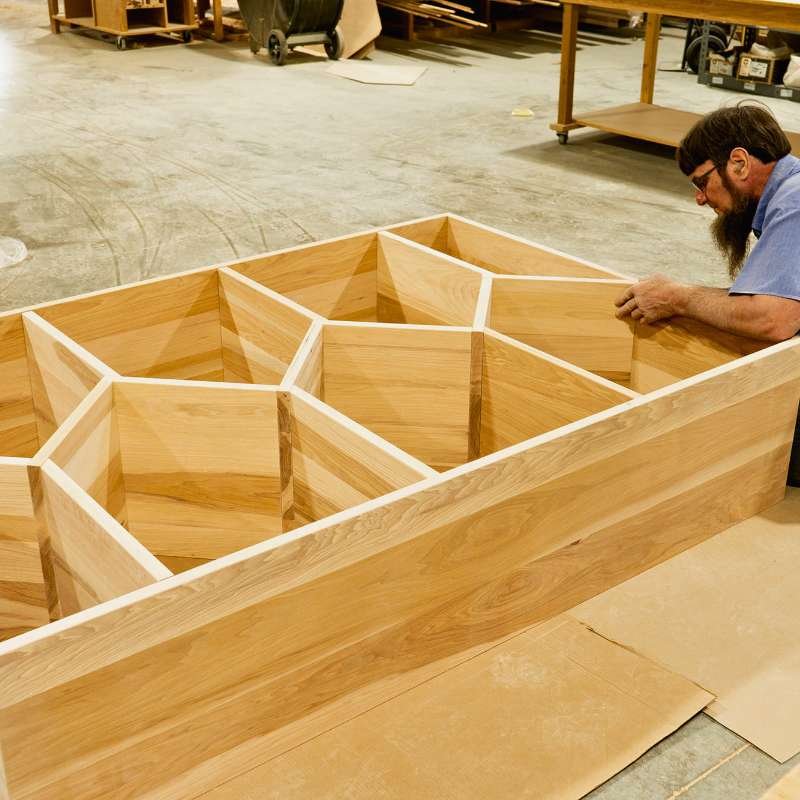
Invest in Quality That Lasts a Lifetime
Furniture should be a foundation for your home, accommodating family gatherings, everyday meals, and decades of memories. While mass-market veneer furniture promises convenience upfront, it ultimately delivers higher long-term costs, environmental landfill waste, and potential health drawbacks.
At Miller’s Furniture, our handcrafted, solid wood collection represents an investment in heirloom quality, non-toxic living, and timeless beauty. Stop by our showrooms today to feel the weight of real hardwood, inspect handcrafted joinery, and find pieces built to last for generations.
Visit Our Three Ohio Amish Furniture Showrooms
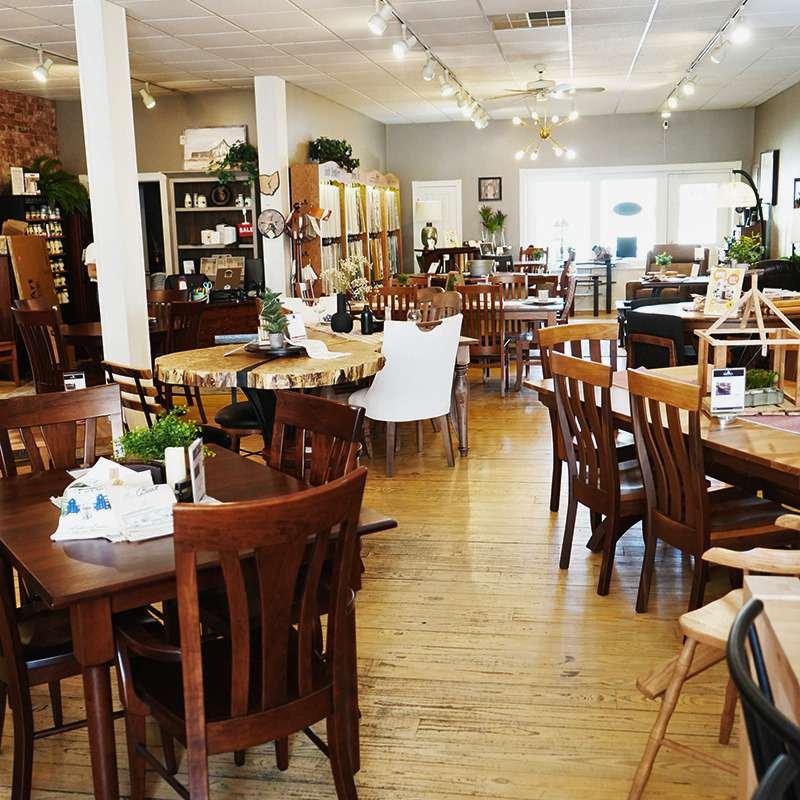
We invite you to experience the texture, grain patterns, and structural integrity of our furniture firsthand by visiting one of our three landmark destination storefronts.
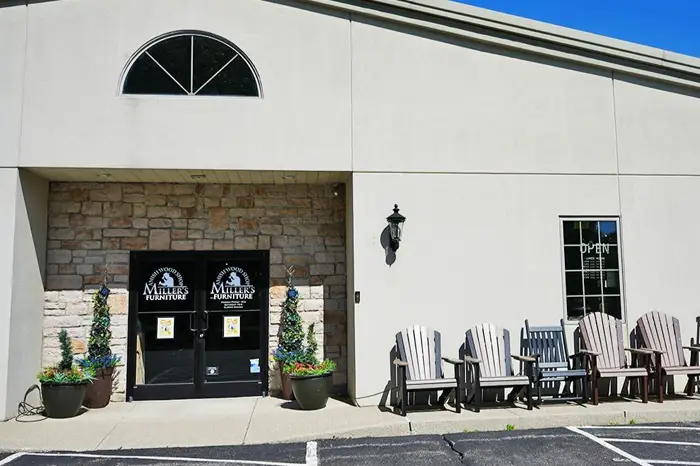
The Pataskala Showroom
Conveniently located just east of the Columbus I-270 bypass on York Road, our Pataskala location is the primary hub for shoppers searching for high-end custom furniture and Amish dining sets near Columbus.
📍 Pataskala Showroom:
4877 York Rd SW, Pataskala, OH 43062
Get Directions to Pataskala
📞 Phone: (740) 927-4090
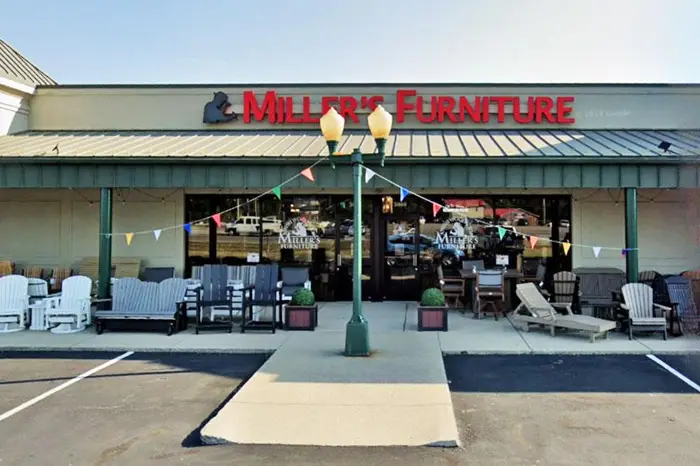
The Lancaster Showroom
Situated on Columbus-Lancaster Road, this expansive showroom features beautifully staged bedroom suites, office collections, and living room seating options designed to elevate your home.
📍 Lancaster Showroom:
3040 Columbus-Lancaster Rd NW, Lancaster, OH 43130
Get Directions to Lancaster
📞 Phone: (740) 654-6852
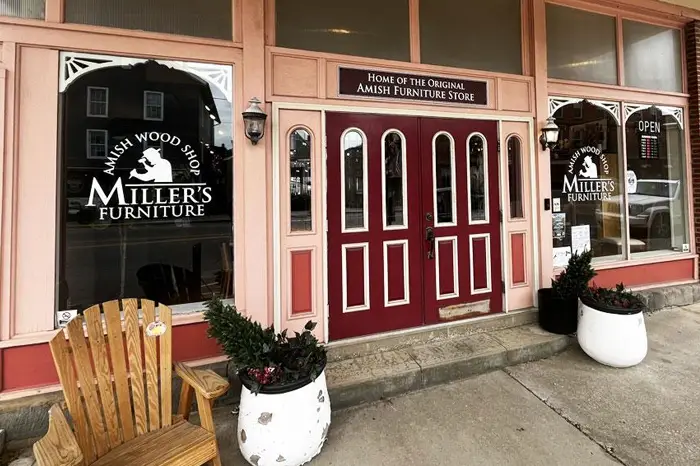
The Loudonville Showroom
Located on West Main Street right in the heart of Mohican country, our Loudonville storefront showcases rustic log furniture, traditional hardwoods, and heavy timber pieces alongside our core home decor lines.
📍 Loudonville Showroom:
268 W Main St, Loudonville, OH 44842
Get Directions to Loudonville
📞 Phone: (419) 994-5595